The Best Housing Options for Part-Time Nomads
SHARE
7 MIN READ
Being a part-time nomad is one of the most liberating ways to explore remote work. You get the adventure of new places without giving up stability altogether. But one of the biggest challenges remote professionals face when traveling part-time is: Where should I stay? Not just for a few nights—but in a way that supports productivity, budget, and lifestyle. The three most popular options are short-term rentals, co-living spaces, and the often-overlooked but deeply rewarding method: home swapping. Each has its perks and pitfalls, depending on your goals.
This guide breaks down the pros and cons of each accommodation model and highlights why home swapping—a sustainable, budget-friendly, and often logistically simpler approach—might be the smartest choice for many part-time nomads.

Finding Your Remote Home Base
Short-Term Rentals: Flexibility Without Commitment
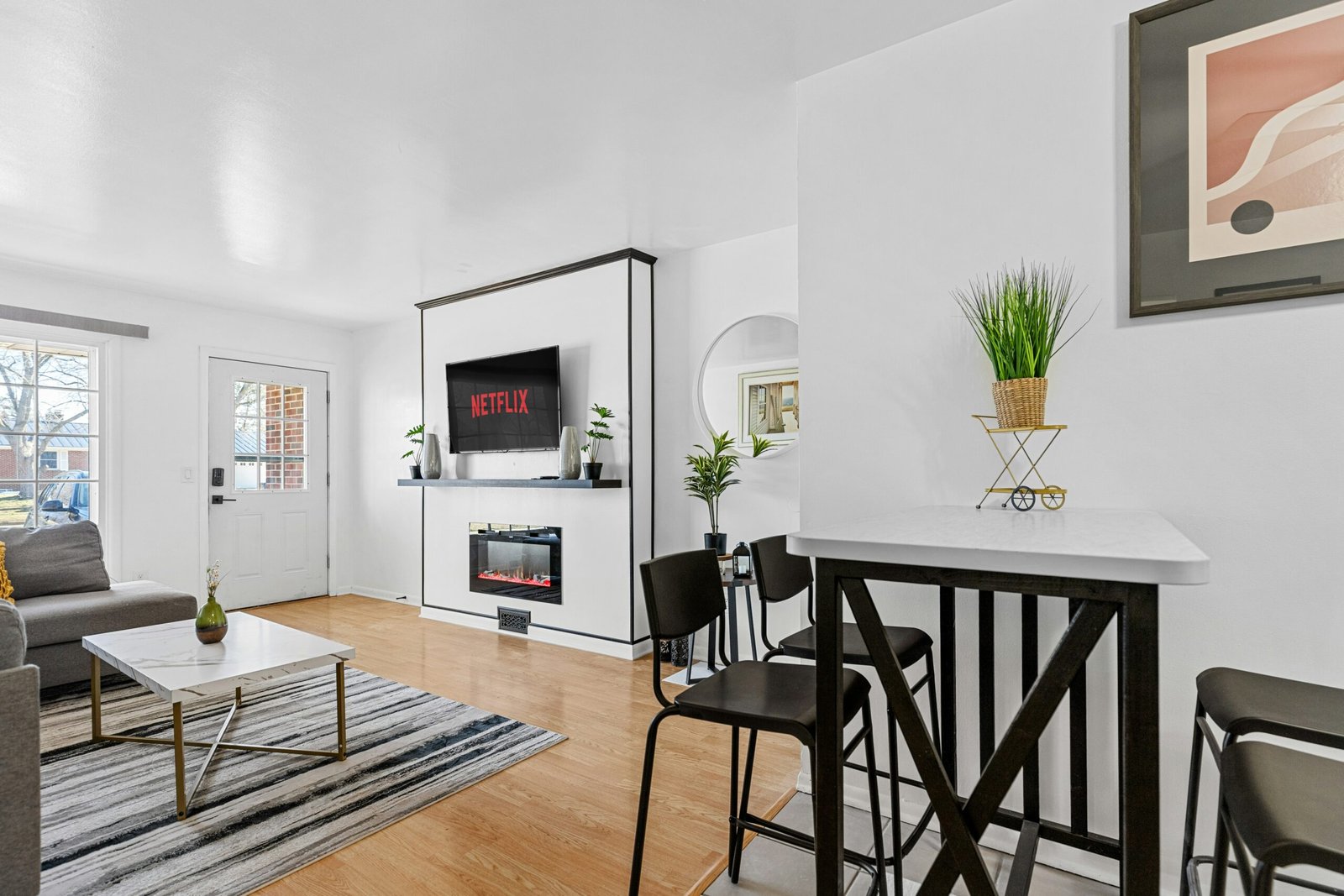
Short-term rentals—like those found on Airbnb, Vrbo, or Booking.com—are often the first stop for many remote workers and part-time nomads. They offer the comfort of a private space, the ease of online booking, and the flexibility to move as your journey evolves. Whether it’s a beachside studio or a city-center loft, short-term rentals give you autonomy—but that freedom can come with a cost, both financially and logistically.
Pros:
- Widely available through platforms like Airbnb and Vrbo
- Full control over space, kitchen, and amenities
- Easy to book and plan ahead for different destinations
Cons:
Can be expensive, especially in popular cities or high seasons
Limited connection to community or locals
You still have to figure out what to do with your home while you’re away
Best for:
Short trips, privacy seekers, or those who prefer a predictable, hotel-like setup.

Co-Living: Built-in Community and Convenience
Co-living spaces have emerged as a popular choice for remote workers who crave connection alongside convenience. Think of them as upgraded dorms for grown-ups—with fast Wi-Fi, shared kitchens, cleaning services, and weekly events designed to foster community. Whether you’re staying for a few weeks or several months, co-living environments like Outsite or Habyt provide structure and social interaction that can be especially valuable if you’re traveling solo.
Pros:
Built-in community of fellow remote workers
Often includes coworking spaces, events, and group activities
Flexible terms (weekly/monthly)
Cons:
Less privacy
Can feel like dorm living or emotionally draining for introverts
Still pricey in some locations
Best for:
Solo travelers, extroverts, or those wanting to meet like-minded people fast.
Home Swapping: A Sustainable Solution

Home swapping isn’t just for retirees or rom-com plotlines. It’s a rising trend among remote professionals who want a meaningful, cost-effective way to experience new places without leaving their own homes, pets, or plants in limbo. Platforms like HomeExchange and Kindred allow travelers to trade homes—sometimes simultaneously, sometimes not—offering a unique blend of affordability, cultural immersion, and low-impact living. It’s a smart choice if you’re seeking comfort, sustainability, and a break from the tourist churn.
Pros:
You usually do not have to juggle two rents.
You can leave your home, pets, and plants in trusted hands
More local, residential experience than tourist stays
Great for longer stays (2+ weeks)
Frees up budget for fun, not just housing
Cons:
Requires planning and flexibility to align with someone else’s schedule
May take time to build trust with swap partners
Not every destination has a wide selection
Best for:
Families, entrepreneurs, freelancers, slow travelers, budget-conscious remote workers, and anyone tired of choosing between fun or financial strain.
Why It Stands Out:
In many popular destinations, short-term rentals have added stress to local housing markets, making it harder for residents to find long-term homes. Home swapping avoids contributing to that issue—it doesn’t remove inventory from locals or drive up prices. Instead, it’s a more sustainable, community-minded way to travel.
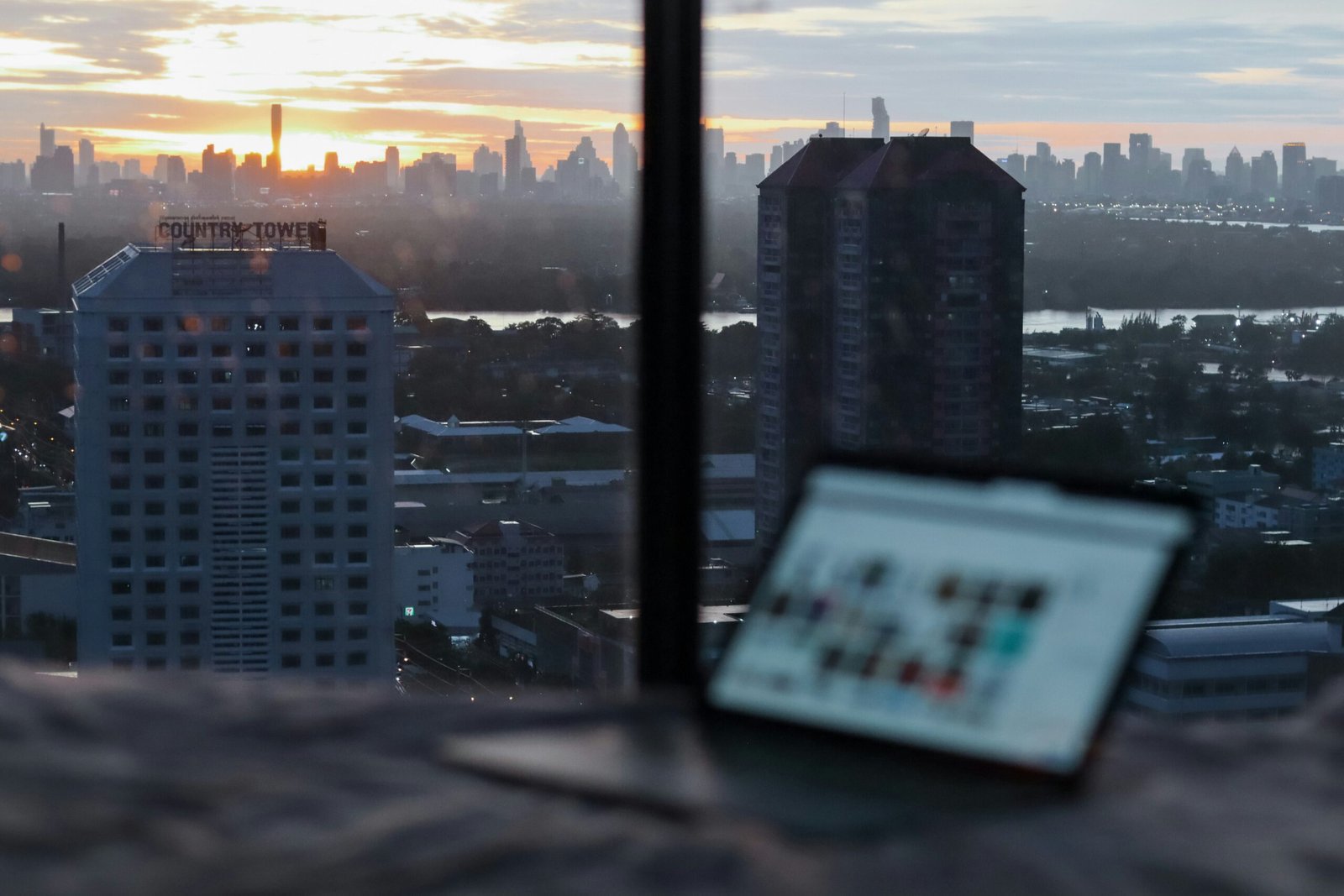
For remote workers, it also offers something uniquely valuable: the ability to work from a fully set-up home—not a noisy café or a cramped hotel room. When you’re managing serious projects, running a business, or simply need reliable focus time, a real home gives you space to think, work, and live without disruption.
Best of all, you’re not left wondering what to do with your own home, pets, or plants while you’re away. You’re simply trading lives with someone for a little while—making it one of the most practical and human-centered options out there.
Takeaways
Key Takeaways
Your accommodation can shape your entire experience as a part-time nomad.
Short-term rentals are convenient but can be costly and isolating.
Co-living offers social perks, but privacy and peace can be hard to find.
Home swapping provides affordability, security, and a true sense of living somewhere—not just visiting.
Conclusion
A Smarter Way to Travel Remotely If you’re in this lifestyle for the long haul—or even just seasonally—reconsider where your money, energy, and time go. Housing doesn’t have to eat your budget or add stress to your trip. With the right platform and preparation, housing can unlock experiences that are not only affordable but more human, connected, and sustainable.
Also Asked
Not always. Some platforms offer points or asynchronous swaps so you can stay at one home now and host later.
That’s a benefit! Many home swappers prefer homes with pets or gardens and will care for them like their own.