Designing a Life You Love: How 'The Remote Work Handbook' Can Change the Way You Work and Live
SHARE
7 MIN READ
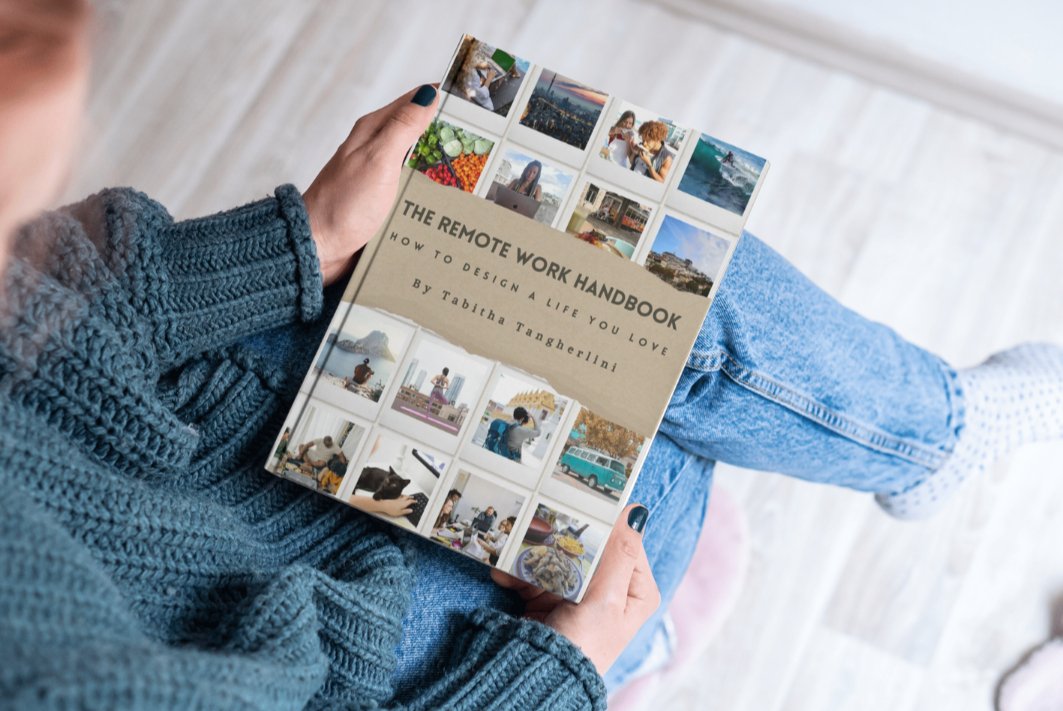
Remote work isn’t just a buzzword or a fleeting trend. It’s a movement that has redefined how we work, live, and connect. In a world still adjusting to hybrid offices, Zoom fatigue, and the allure of working from anywhere, my new book, The Remote Work Handbook: How to Design a Life You Love, emerges as a must-read guide for anyone looking to navigate this new terrain with clarity, honesty, and purpose. This post explores why this book is essential, what you can learn from it, and how it supports building a flexible lifestyle grounded in real-world insights.

Why I Wrote This Book
I wrote The Remote Work Handbook because I know what it feels like to crave more freedom, yet feel overwhelmed by the logistics, fears, and mixed messages about what remote work really is. I wanted to cut through the noise and share a human-centered, reality-based guide for building a remote lifestyle that works—not just in theory, but in real life. I wanted to create a book that balances inspiration with grounded, practical advice.
One thing I noticed early on is that remote work often gets bundled with one specific image: the carefree digital nomad hopping from beach to café, laptop in hand. But that version doesn’t reflect the full story—and it’s not the only way to do this. I’ve met countless people whose version of remote life looks radically different—and just as valid. I wrote this book to show that remote work doesn’t have to follow someone else’s model. You get to define what it looks like for you.
Most importantly, I wrote this book because of the people I’ve met along the way. The single parent building a business from a small town. The couple navigating work across continents. The burned-out professional finding healing in a slower pace of life. Their stories reminded me that there’s no one right way to live remotely—but there are smarter, more intentional ways to get there. This book is a blend of those stories and the information to consider, I wish I had when I started.
I Wanted to Balance Inspiration with Reality
So many books about remote work read like glossy travel ads or productivity manifestos—either selling a fantasy or reducing everything to a checklist. I wrote this book to show what the in-between looks like. I wanted to speak directly to the real, everyday remote worker: the parent juggling time zones, the freelancer burning out in coworking spaces, the hybrid employee craving stability. I wanted my tone to feel down-to-earth and refreshingly honest—because that’s what I needed when I started.

I Wanted to Offer Practical Frameworks and Processes
When many people first start working remotely, they’re overjoyed by the freedom—but that freedom can quickly become overwhelming. Without structure, it’s easy to get distracted, fall into unhealthy work patterns, or end up getting nothing done. One of the most important things I’ve learned—and what I emphasize in this book—is that remote work is not a vacation. If anything, it requires even more intentionality.
I wanted to help readers build the kind of systems that support their freedom instead of stifling it. Everyone’s ideal workflow looks different. There’s no one solution for everyone. But I wanted to offer practical tools and examples that people could adapt to their own needs. In addition to the frameworks, there are the real world example from the interviewees. Their stories provide a wide range of techniques—from time-blocking to work retreats to digital boundaries—so you can explore what resonates and build from there.

I Wanted Real Stories to Lead the Way
One of the most transformative moments in my own journey came when someone shared a story that made me see my dream differently. I had always wanted to live in Europe, but deep down, I believed it was only possible for people with money or special connections. Then I met someone who casually mentioned that their niece had moved to Europe as an au pair. That simple, ordinary story cracked something open in me. It offered a path I had never considered—and made the dream feel accessible. Two years later, I found myself living in Switzerland, not because I had everything figured out, but because I finally saw how it could be possible.
I wrote this book to create that same kind of moment for someone else. That’s why I interviewed over 70 people from all walks of life. I wanted you to see what I once needed to see: someone a little like you, doing something you didn’t yet think was possible.

Key Takeaways from The Remote Work Handbook
Design, Don’t Drift
Remote work isn’t about escaping the 9-to-5. It’s about aligning your work with your deeper values. Whether that means slow travel, being present for your kids, or simply having time for hobbies, designing your workday around what matters to you is key. The book teaches you how to do that without falling into the “always-on” trap.
Your Lifestyle is the Product
This book shifts the perspective from career advancement alone to lifestyle design. I emphasize emotional reflection as much as logistical planning. What energizes you? What drains you? What kind of space supports your best thinking? These are the real levers for remote success.
The Part-Time Nomad is a Powerful Middle Path
You don’t have to be a full-time digital nomad to live the remote dream. I live this truth, blending a home base in Berlin with seasonal adventures. This model is increasingly attractive to those seeking balance, and the book offers guidance for finding your own rhythm.

Community Matters More Than You Think
Loneliness is one of the biggest challenges of remote work. This book doesn’t shy away from that. Instead, it offers concrete ideas for staying connected, building a support network, and maintaining emotional resilience.
Flexibility Requires Structure
Ironically, true flexibility isn’t about chaos—it requires intentionality. I break down how to create systems that support your autonomy, from scheduling deep work to managing asynchronous communication.
Conclusion
This Is More Than a Book. It’s a Mindset Shift.
The Remote Work Handbook isn’t about chasing trends or selling a dream. It’s about living with intention, using remote work as a tool to support the life you truly want. With honesty, empathy, and loads of practical insight, I’ve created a guide that will resonate with anyone feeling stuck between the old ways of working and the emerging possibilities. If you’re ready to rethink what work looks like—and how it fits into your bigger picture—this is the book that will help you take that leap with confidence.
Ready to design a life you love?
Grab your copy of The Remote Work Handbook: How to Design a Life You Love on Amazon 👉🏽👉🏽 here
Also Asked
Absolutely. The book is just as valuable for hybrid workers, freelancers, and remote professionals working from home. It’s about designing a lifestyle—not prescribing one.
While it doesn’t function as a job board, the book does include practical advice on how to find remote work, vet opportunities, and build income streams from anywhere. Plus check out the chapter from Michelle Coulson.
Most remote workbooks focus either on travel or productivity. This book uniquely merges the emotional and logistical sides of remote living, offering a deeply human approach that recognizes complexity.
Yes. It's designed as a resource you can revisit at every stage of your remote journey—whether you're just starting or refining your lifestyle years in.
Yes, many of the stories and advice include insights from parents, couples, and even pet owners. It’s a realistic look at how to make remote work function in different life stages.